I Followed 5 Forex Signal Groups for 21 Days. Here's What I Found...

 3
3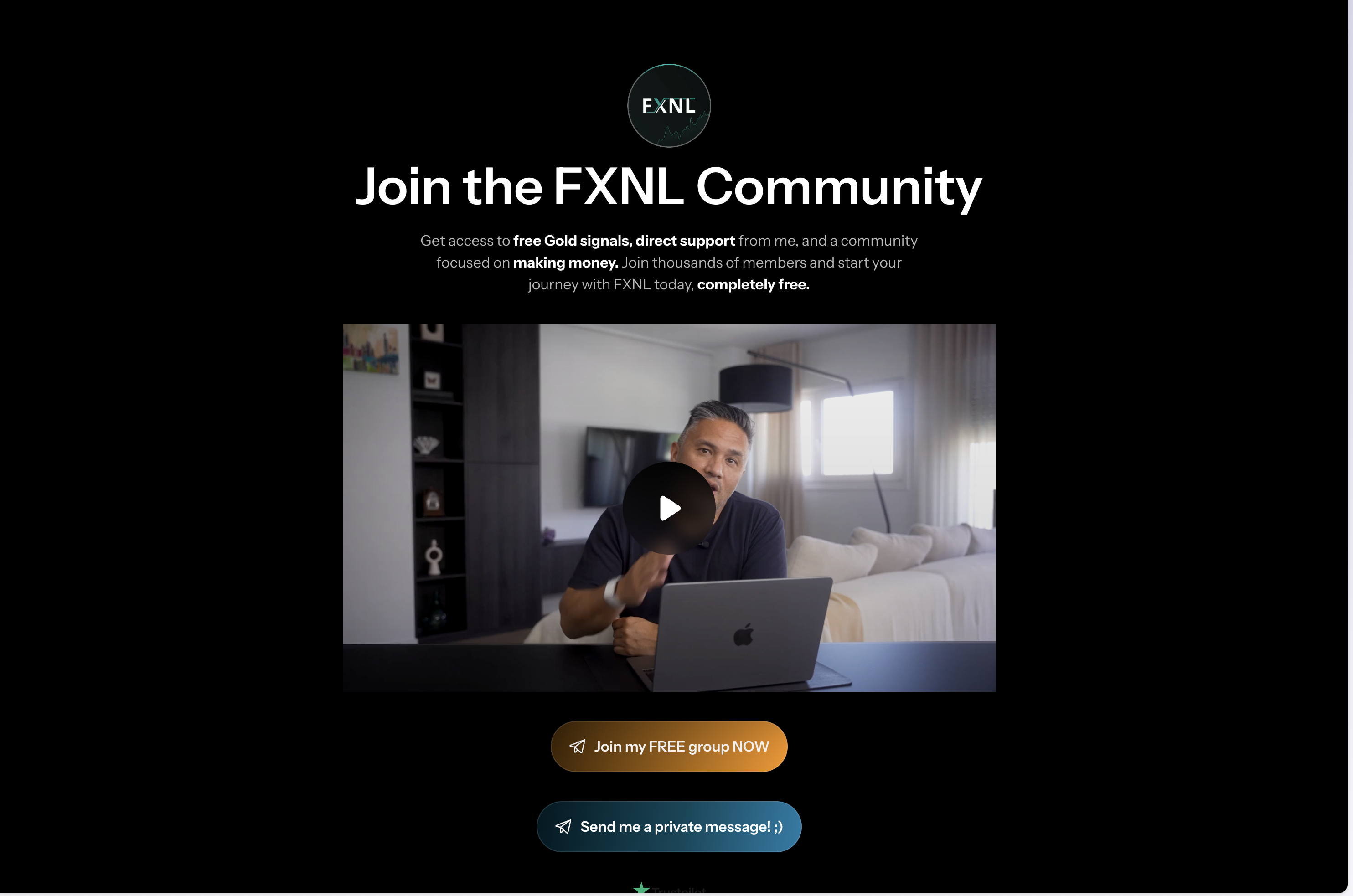 4
4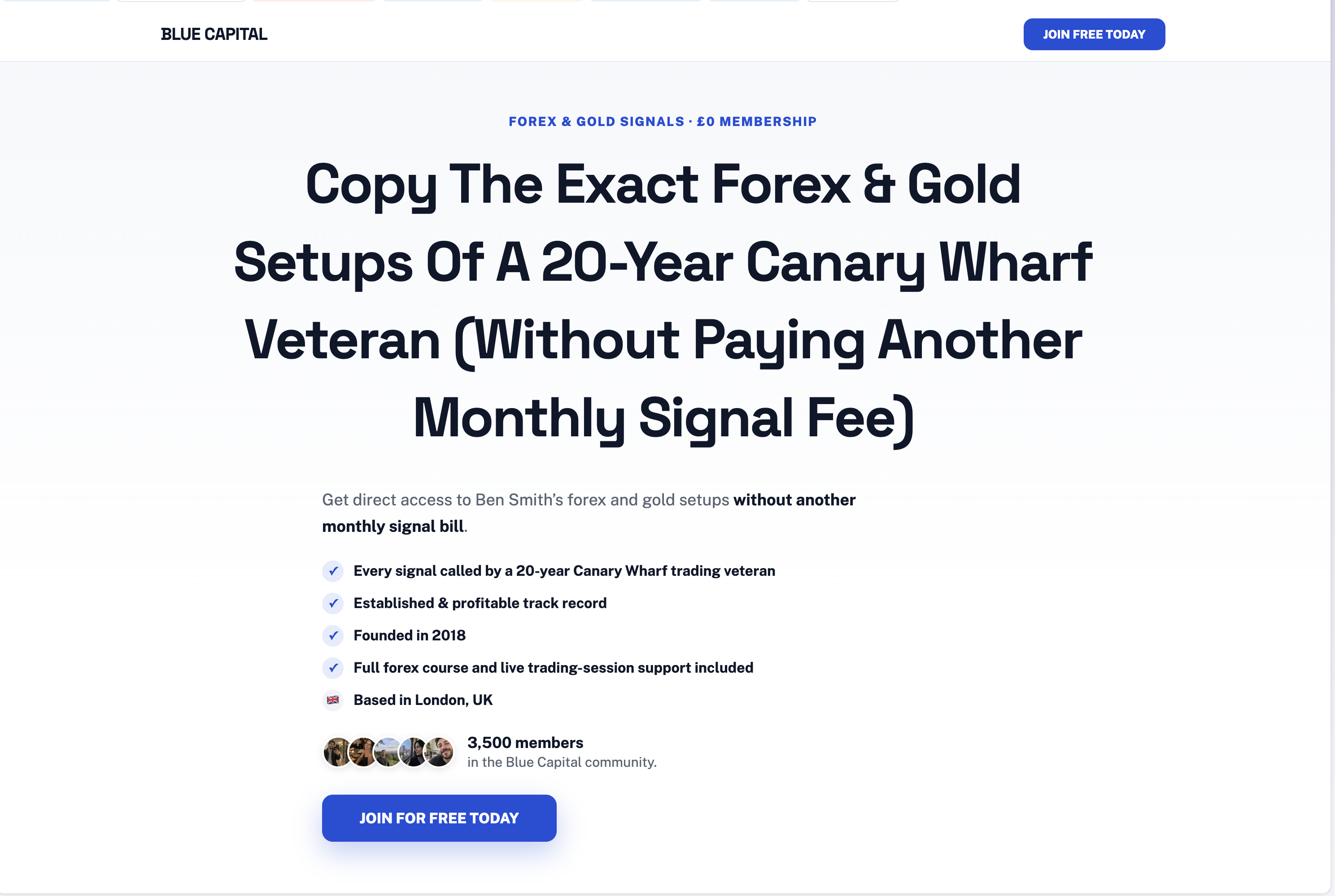 1
1With So Many Trading Signal Groups Promising Big Returns, How Do You Know Which One Is Actually Any Good?
If you’ve shown any interest in trading online, you’ve probably seen the ads.
Screenshots of winning trades. Big profit claims. Traders making it look like all you need to do is copy a signal and collect the result.
But that’s the part I wanted to test properly.
Are these groups actually profitable once you follow the trades for yourself?
Are the signals genuinely easy to follow, or do they arrive with such tight entries that most members miss them?
So instead of judging them by the ads, I wanted to see what the experience was actually like once real money was involved.
I Decided to Test Them for Myself
I spent 21 days testing five of the most advertised telegram groups.
With each one, I started with the minimum amount required, opened an account with the broker used by the service, and followed the signals as closely as a normal member realistically could.
I wanted to cut through the screenshots and advertised win rates, compare how each group performed during the same testing period, and see which looked much better in the adverts than it did once I joined.
Here’s How I Judged Them
1. Profitability: I started each service with the minimum required deposit and tracked what happened over 21 days. I also looked at consistency, rather than letting one unusually large winning trade make the results look better than they really were.
2. Timing & How Easy the Signals Were to Follow: I looked at when the trades were sent, how much notice members were given, and whether the entry was still realistic by the time you opened your broker.
A good signal isn’t much use if it lands at 3am, arrives in the middle of the working day with no warning, or gives you a tiny entry window that disappears before most people can act.
3. Risk and Transparency: Were stop losses clear? Was the risk sensible? And when trades lost, were those losses shown and explained as openly as the winners?
After 21 days, the difference between the five was much bigger than I expected.
One finished clearly ahead of the rest.
What the Better Groups Actually Have
Beginner-Friendly
A good signal group shouldn’t assume you’ve been trading for years.
I looked at how easy it was to get started, whether the signals made sense without knowing every trading term, and whether there was enough help to understand what you were actually doing.
The better groups made it possible to start simple and learn more as you went.
Clear Trade Setup
I wanted every trade to be easy to understand before any money was put at risk.
That meant a clear entry, stop loss and target, plus enough explanation to understand why the trade was being taken.
If I had to guess what to do next, that counted against the group.
Realistic Timing
Timing became one of the biggest differences between the groups.
I looked at when signals were sent, how much warning was given and whether a normal person could realistically get the entry.
A great trade sent at 3am, or an entry that disappears within seconds while you’re at work, isn’t much use to most members.
Profitable Enough to Be Worth It
Being profitable wasn’t enough on its own.
I wanted to see whether following the signals for 21 days actually produced a worthwhile return for the amount of money being put at risk.
A group making £20 while regularly putting hundreds of pounds on the line didn’t impress me.
The return had to make sense compared with the risk taken and the amount needed to get started.
Other Things I Valued
1-to-1 Support
If you’re putting real money into trades, being able to ask someone a question matters.
The stronger groups gave members access to help during setup and when something wasn’t clear, rather than simply sending signals and disappearing.
Training for New Traders
Signals are more useful when you gradually understand what you’re following.
I looked for training videos, guides or other material that could take someone from the basics into more advanced trading without making everything unnecessarily complicated.
Low Starting Amount
I also considered how much money you needed just to get started.
Some groups required £500 to £1,000+, while the lowest minimum I found was around £350.
For someone testing a service for the first time, that difference matters.
What Knocked a Group Down the List
Lifestyle Marketing Over Trading
Cars, holidays and profit screenshots might get attention, but they don’t tell you whether the signals are any good.
I focused on what happened once the actual trades started.
Entries Most Members Can’t Catch
If the group posts a trade and the entry is gone before you can even open your broker, the signal may look good afterwards but isn’t particularly useful.
That was an even bigger problem when members were then blamed for “entering late.”
Hidden Costs
Some groups look cheap at first, then you realise there are extra costs once you’re inside.
That could mean higher broker spreads, extra paid rooms, upgrades, or needing a much larger deposit than the ad made clear.
I looked at the full cost of actually following the service, not just the price shown upfront.
The 5 Trading Telegram Groups, Ranked
Blue Capital
Built for beginners who want to understand a trade before they copy it.
What I liked
- Highest ending balance recorded during my 21-day comparison
- Around 25 years of professional forex trading experience
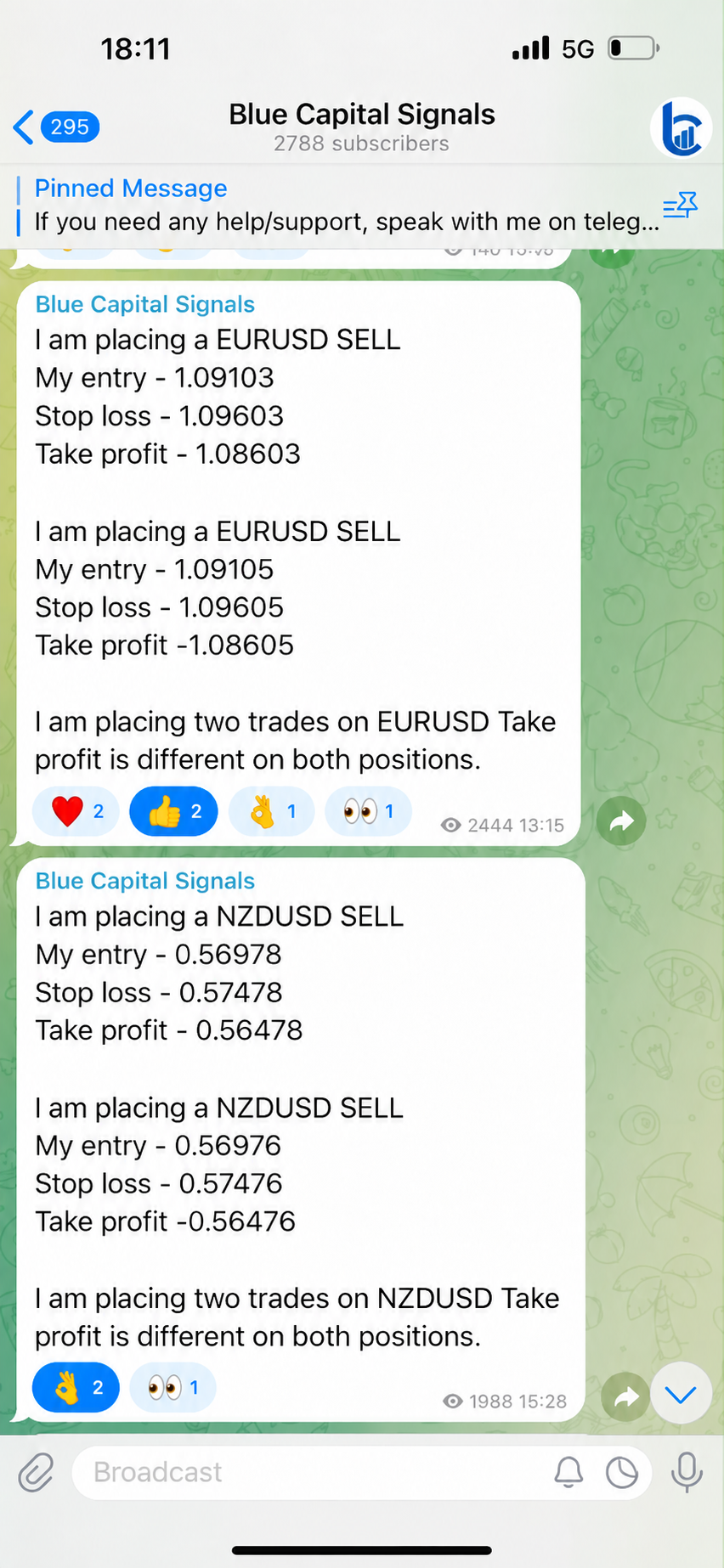
- Clear entry, stop-loss and target with each signal
- Enough warning to prepare before most trades
- Direct 1-to-1 support during setup and live trades
- Beginner training with practical videos and simple explanations
- No monthly signal payments
What to know
- Requires a funded broker account with around £350 to start
- Losing trades still happen and returns are not guaranteed
- Results can vary based on timing, execution and market conditions
Why Blue Capital Stood Out as #1
Blue Capital, run by David Thompson, produced the strongest result in my 21-day test and pulled ahead early. Unlike the anonymous Telegram groups I tested, it is built around an established trading company and an active community where members follow signals, share ideas and learn together.
His 25 years of professional forex experience at Citibank showed in the trades: clear entries, controlled risk and enough warning to prepare. The biggest difference was the support. I could message him directly about setup or a live signal and get help, instead of being left to figure it out alone.
Proof From My 21-Day Test
This is the account history from the test. It shows the trades I followed, including the winners, losses and final balance.
- Starting balance
- £350
- Ending balance
- £958
- Profit
- £608
- Test period
- 21 days
What You Get Inside the Group
Free Trading Signals - Blue Capital shares each trade being taken, including the entry, stop loss and target.
1-to-1 Support - This was particularly useful during setup and when trades were live. If I wasn’t sure about something, I could message him directly and get help. That made the whole experience much more comfortable, especially at the beginning.
Beginner-to-Advanced Training Course - You also get training material and videos explaining how to place trades, use the broker and understand what is happening inside the group. If you’re completely new, this helps answer a lot of the obvious questions before you risk any money. If you already know the basics, it’s still useful because you can focus more on the actual trades.
100% Deposit Bonus - New members can currently receive a 100% deposit bonus through their partnered broker.
Low Starting Amount - You can currently start from around £350, so you don’t need thousands of pounds just to follow the service and you can withdraw your funds at any time.
Why Did Blue Capital Work So Well?
The 25 years of professional forex experience behind Blue Capital made the difference. The group knew when to trade and when to wait, rather than sending signals just to stay busy. Each trade had a clear reason and controlled risk.
That experience showed in the results. Over 21 days, he delivered the most consistent return of the five groups I tested, without relying on one big win. By the end of my 21-day test, the account had increased from £350 to £958. This reflects one short test period and should not be considered typical or guaranteed.
Is Blue Capital Legitimate?
Based on my 21-day test, this was the group I felt most comfortable using. The signals were easier to follow, the support was better, risk was taken more seriously and it produced the strongest results.
It still had losing trades. But when something went wrong, I could ask questions, understand what had happened and move on to the next setup without feeling like I was being left in the dark.
For me, that combination of experience, results and 1-to-1 support is what put Blue Capital at number one.
Access to Blue Capital’s trading signals, 1-to-1 support and beginner-to-advanced training is currently available when opening an account through the partnered broker.
The minimum starting amount is around £350, with a 100% deposit bonus currently available.
Visit Blue Capital’s PageOffers #2–#5: Full Reviews
Same account rules, same scoring, same 21 days. Just applied to the four groups that didn’t win. Names and test figures below are placeholders until the real ones go in.
Who Is Lewis
Strong market commentary and well-reasoned setups, but less approachable for somebody opening their first trading account.
Pros
- Regular trading opportunities
- Clearly defined entry and stop-loss levels
- Useful weekly trading recaps
Cons
- Trade risk felt high for the £212.22 profit made
- Some alerts required very fast execution
- Limited support during onboarding and live trades
Why It Finished Second
Who Is Lewis finished second because the signals were regular, clearly structured and supported by useful weekly recaps. The account made a £212.22 profit during the test, rising from £500 to £712.22. However, the level of risk felt high, some alerts required very fast execution, and limited support during onboarding and live trades made the service less suitable for beginners than my number-one choice.
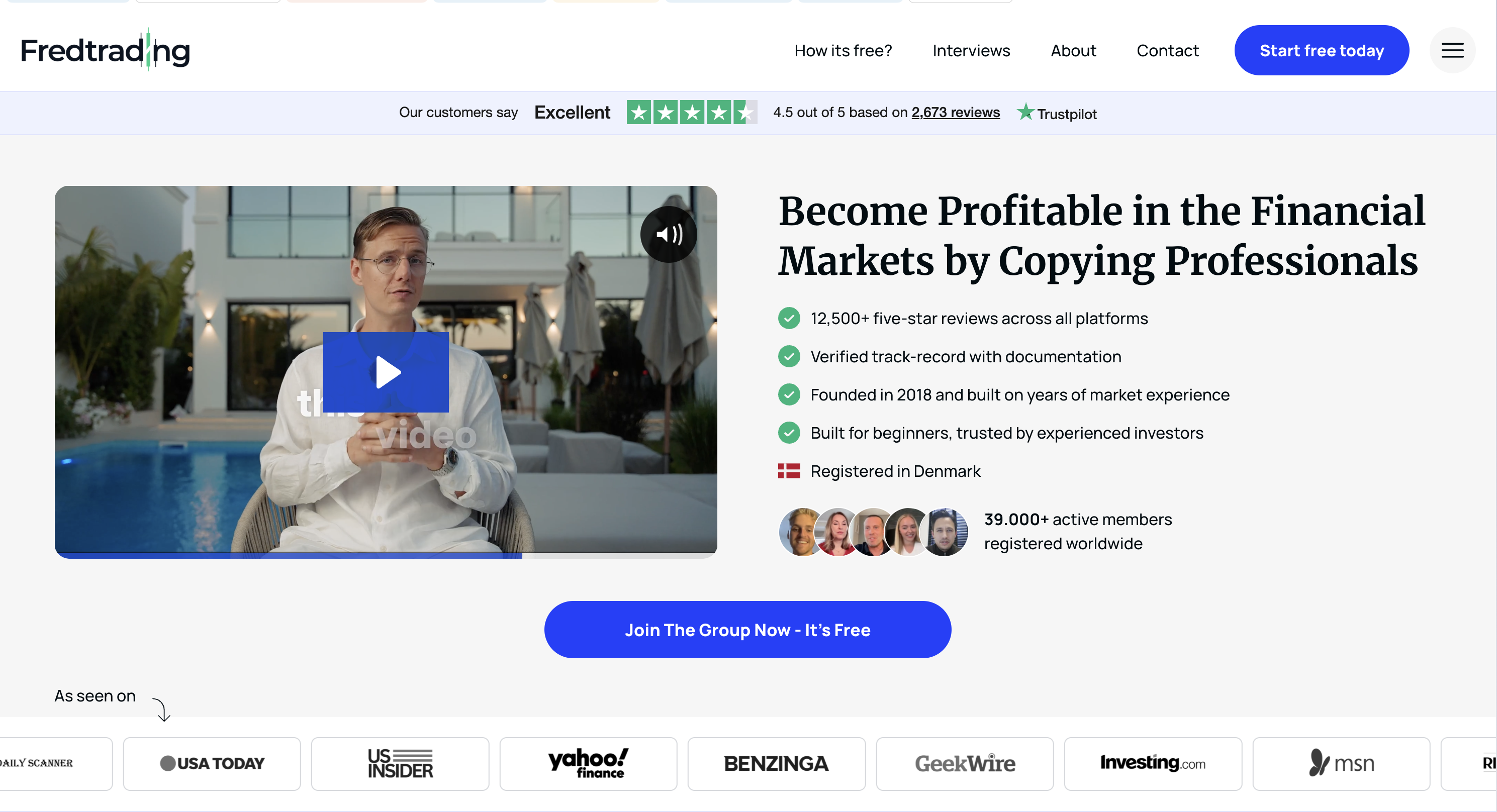
Fred Trading
The easiest alerts to copy after my winner, although communication became inconsistent once trades were live.
Pros
- Clear, easy-to-follow trading signals
- Responsive support when questions came up
Cons
- Finished the 21-day test at a loss
- Trade risk felt unnecessarily high
- Higher starting balance than other groups tested
- Position sizing appeared designed for much larger accounts, putting smaller balances at risk of substantial losses
Why It Finished Third
Fred Trading finished third because its signals were clear and the support was responsive when questions came up.
However, the account lost £24.67 during the test, falling from £650 to £625.33. The trades also felt too risky for smaller accounts, with position sizes that appeared better suited to traders with much larger balances.
The service was easy to follow, but the loss, higher starting amount and aggressive risk prevented it from ranking higher.
FXNL
An energetic learning environment held back by trade sizing that exceeded the conservative rules used in my test.
Pros
- Clear, easy-to-follow trading signals
- Active community with regular trading discussions
Cons
- Used a more aggressive approach to risk
- Constant chat messages made important updates difficult to follow
- Finished the test down 33.9%, losing £254.40
- Required a relatively high £750 starting balance
Why It Finished Fourth
FXNL finished fourth because the aggressive approach to risk outweighed the benefits of its clear signals and active community. The constant stream of chat messages also made important trade updates difficult to follow. Starting with £750, the account finished at £495.60, a loss of £254.40 or 33.9% during the test.
[Group5]
Plenty of activity for experienced signal followers, but too little explanation to recommend as a beginner’s first group.
Pros
- Fast delivery of trading alerts
- Covered a wider range of currency pairs
- Simple entry and exit instructions
Cons
- Lost £988.33 of the £1,000 starting balance during the test
- Required the highest starting balance at £1,000
- Sent too many alerts with very little explanation
- Losing trades were rarely reviewed or discussed
- Limited support for less experienced traders
Why It Finished Fifth
[Group5] finished fifth mainly because the account lost £988.33 during the test, falling from £1,000 to just £11.67. The alerts arrived quickly and the entry instructions were simple, but the volume of trades came with too little explanation and far too much risk. Losing trades were rarely reviewed, and limited support made it difficult to understand what had gone wrong before the next alert arrived.
Why Blue Capital Was My #1 Pick
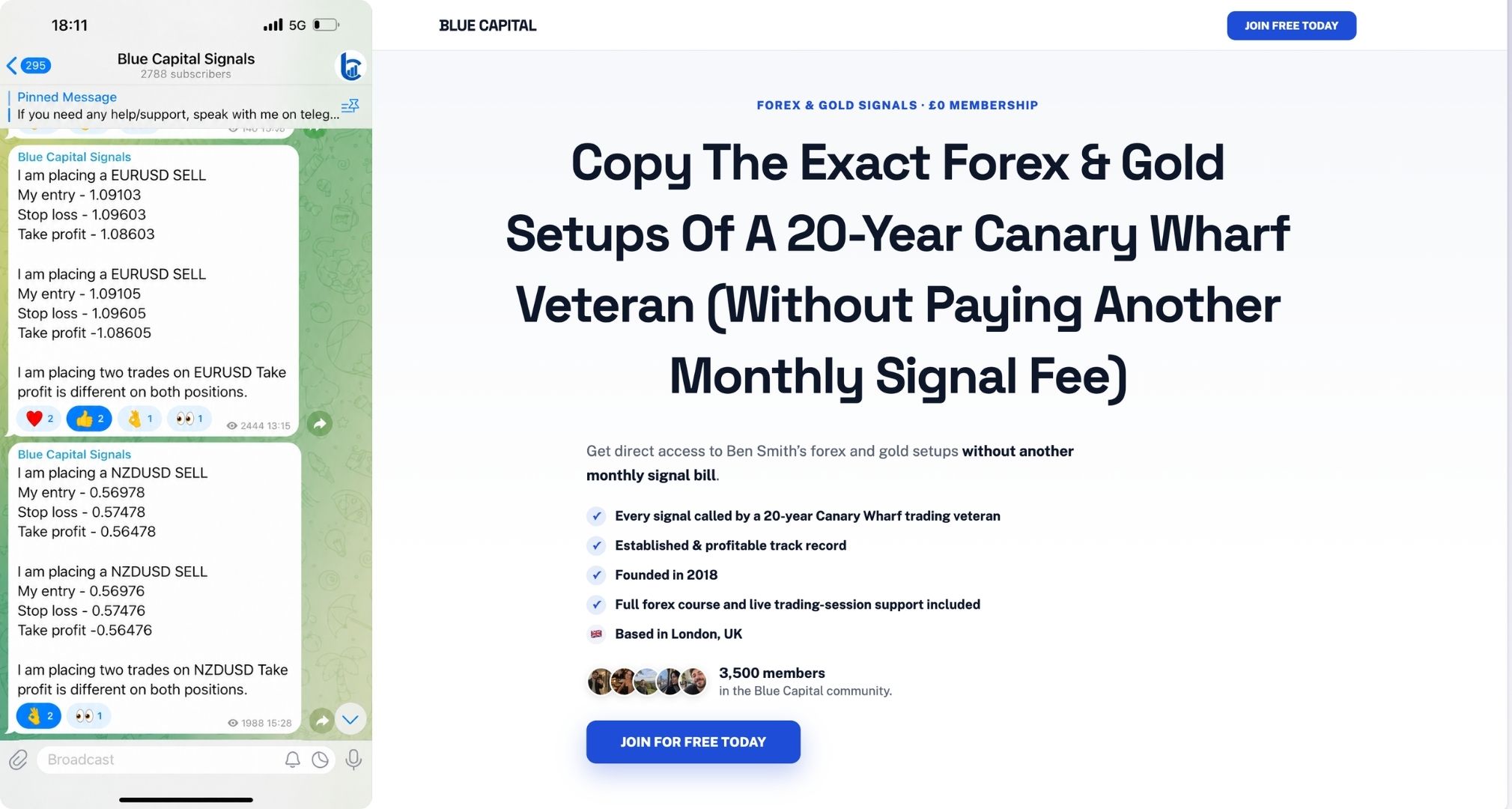
After testing all five groups for 21 days, Blue Capital was the clear winner.
My £350 account finished at £958, making £608 profit or approximately 174% during the test.
By comparison, the group in second place required a £1,000 starting deposit and finished only £100 up.
But the return wasn’t the only reason Blue Capital ranked first.
- Test Results: The recorded balance in my 21-day test changed from £350 to £958. The results were more consistent, with fewer poor trades, better entries and less money risked chasing returns.
- Much Easier for Beginners: The signals were clear and usually arrived with enough warning to prepare. New members also get help with the basics, so they don’t need to know every forex term before starting.
- Proper 1-to-1 Support: Blue Capital provided personal help during setup and answered questions while trades were live. When I wasn’t sure what to do, I could receive a video showing me exactly how to place it.
- Training Included: Members get trading signals, direct support, a beginner-to-advanced course and training videos. You can follow the signals while learning what you’re doing.
- Lower Amount Needed to Start: Members can currently begin with around £350. Most other groups I tested required between £500 and £1,000 or more.
- 100% Deposit Bonus: A qualifying £350 deposit could receive an additional £350 in bonus funds through the partnered broker, subject to the current offer and its terms.
- Useful Beyond the Beginner Stage: Experienced traders can focus on the signals, trade explanations and direct access to Blue Capital without needing as much setup help.
How All Five Groups Compared
Each column shows the recorded result from the same 21-day testing period.
| Test statistic | #1Blue Capital | #2Who Is Lewis | #3Fred Trading | #4FXNL | #5[Group5] |
|---|---|---|---|---|---|
| Starting balance | £350 | £500 | £650 | £750 | £1,000 |
| Ending balance | £958 | £712.22 | £625.33 | £495.60 | £11.67 |
| Profit / loss | +£608 | +£212.22 | -£24.67 | -£254.40 | -£988.33 |
| Return | +174% | +42.4% | -3.8% | -33.9% | -98.8% |
| 1-to-1 support | Yes | Limited | Yes | No | Limited |
| Beginner training | Included | Limited | Limited | No | No |
Results reflect this single 21-day test. They do not guarantee future performance, and trading losses are possible.
Visit Blue Capital’s SiteFrequently Asked Questions About Blue Capital
Is Blue Capital suitable for complete beginners?
Yes. The signals are designed to be straightforward, and members get setup help, training videos and direct support. Trading still carries risk, so only use money you can afford to lose.
What do members get access to?
Members currently receive trading signals, 1-to-1 support, a beginner-to-advanced course and training videos explaining how to place and understand trades.
How much money do I need to start?
The current minimum is around £350. This may change, so confirm the latest deposit requirement before opening an account.
How does the 1-to-1 support work?
You can message Blue Capital directly if you need help with setup, placing a trade or understanding a signal. During my test, I could also receive short videos showing me what to do.
Are the returns guaranteed?
No. My results came from one 21-day test and included losing trades. Market conditions, timing and execution vary, so future results may be different and losses are possible.
Reader Discussion
Illustrative questions and responses based on the topics covered in this article. These are not verified reader testimonials.

I used the same 21-day testing window and recorded the starting balance, ending balance, profit or loss, signal clarity, support and risk for every group. Different minimum deposits meant the starting balances were not identical.

How quickly did you normally need to act after a signal was posted?
It varied. The best signals gave enough warning to check the entry, stop loss and target first. Some lower-ranked groups required much faster execution, which made them harder to follow consistently.

Would you recommend starting with the full minimum deposit if someone is completely new?
Only if that amount is genuinely affordable to lose. A minimum deposit does not make a trade safe, and the 21-day results shown here do not guarantee future performance.

Why did support matter so much in the final ranking?
Clear support made it easier to set up the account, understand a signal and learn from losing trades. That was especially important when comparing services aimed at beginners.
Were all five groups tested using the same rules, or did you change the risk depending on the provider?